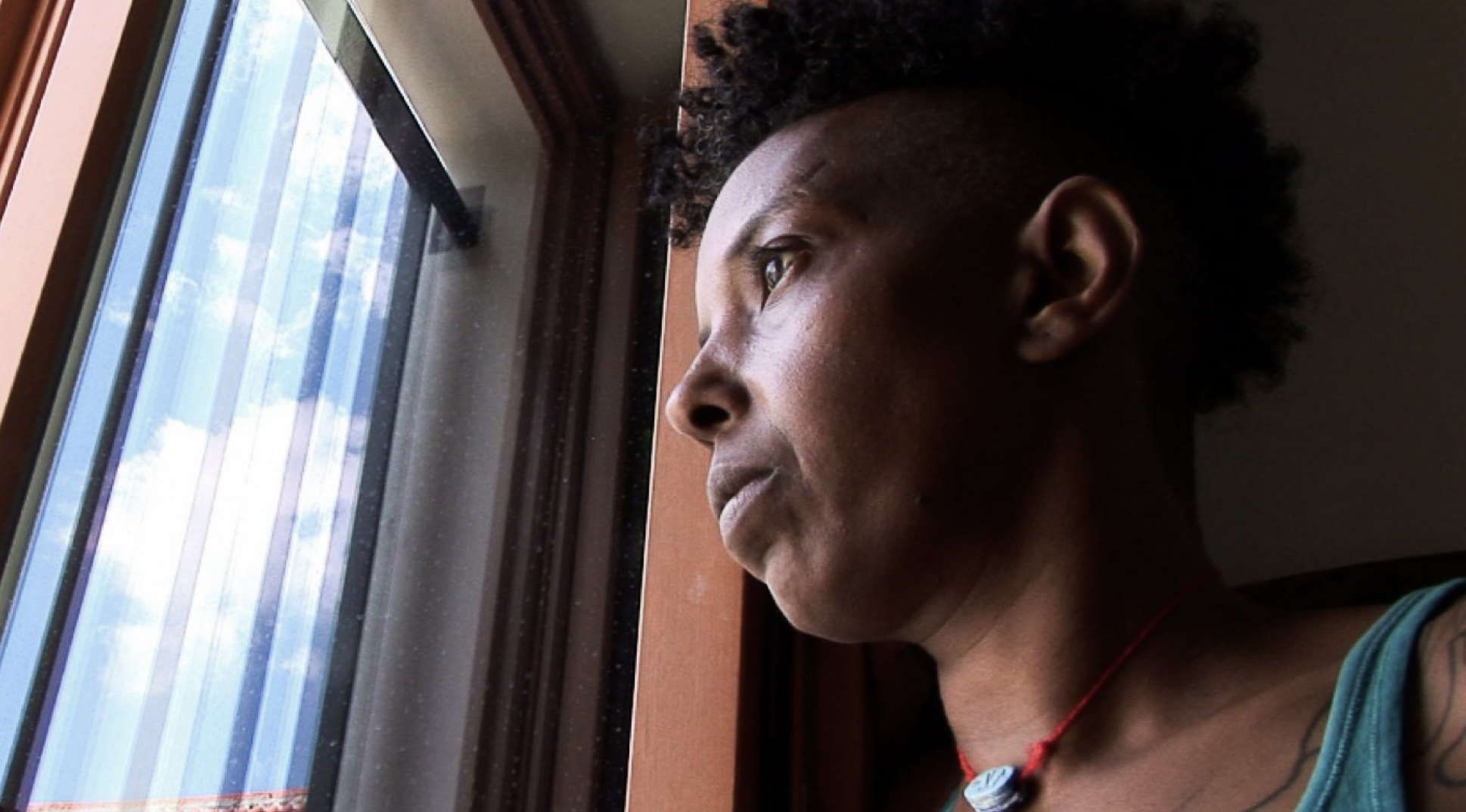
AYDINLAR – WHERE THE WORLD ENDS
Documentary | 78 min | 2019 – 2026
Author / Cinematographer / Diector / Monatge
Synopsis
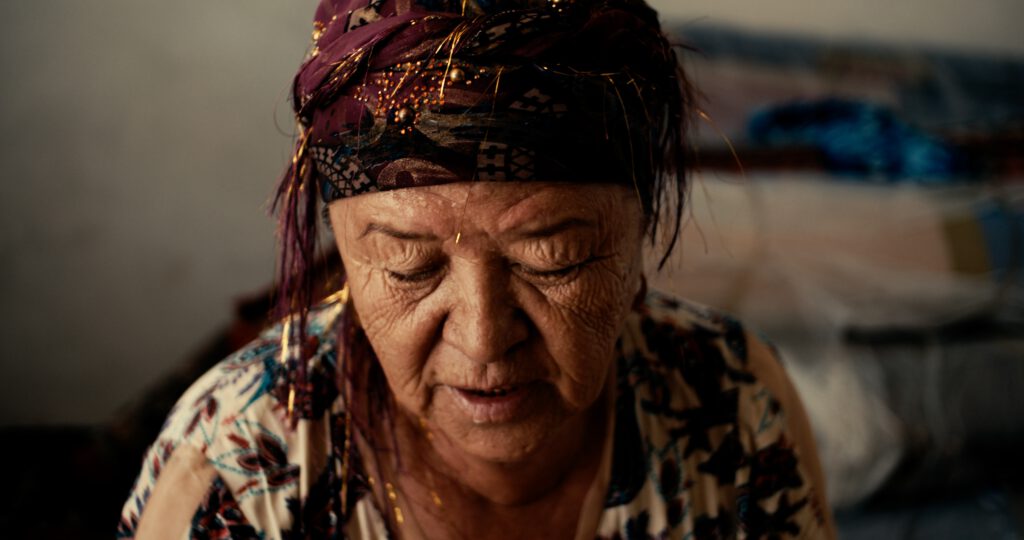
“They say it will return …”, the old lady sits on the ground, her gold teeth glinting, her skin weathered by the wind: “We all swam in the sea. The water receded slowly. No one believed it would vanish completely. But the sea is gone.”
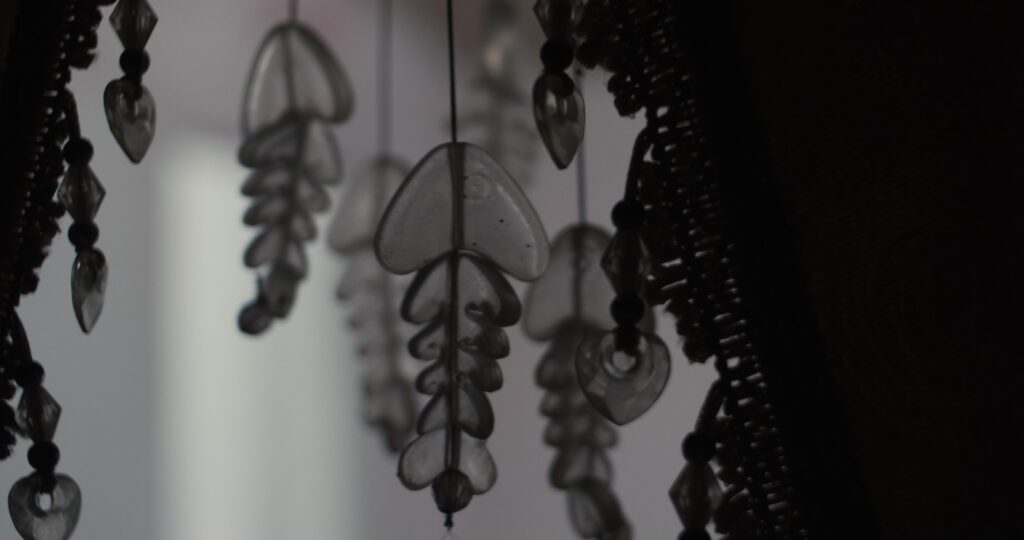
Transparent plastic fish glisten in the sun. A toddler sleeps on the floor. Old fishing boats rot in the sand. Wind whistles through rusted holes. “They say our sea dried up twice before. If it returns a third time, we won’t let it go again.”
Her children and grandchildren grew up in a salt desert without ever having seen the sea. Still, they keep singing the old fishermen’s songs she once sang while rocking them to sleep. They play among the stranded shipwrecks, now monuments to a vanished world.
A tender portrait of a dystopia whose inhabitants mourn the loss of an ocean while holding fast to their belief that it will return one day.
Today, the Aral Sea is almost entirely gone. The former seabed has become a salt desert, creeping further inland. The salty air causes illness and its effects reach even as far as Tashkent. Since the 1970s, birth defects and infant mortality have risen dramatically. Every twelfth child dies before their first birthday.
Author / Director / Cinematographer / Editor: Diana Näcke
Sound Operator / Composer: Masha Qrella
Prodcution Company: BOISTER Film
Producer: Diana Naecke
Sound Design / Sound Mix: Domenik Avenwedde
Color Grading / Titles / DCP: Knut Schmitz
Fixer and Translator: Gulnoza Nabieva
ST Translator Kazakh, Uzbek, Karakalpak: Anvar Shermatov
ST Translator: Russian: Masha Qrella
ST English: Adam Wakeling
with the support of FFA, The Guardian and Goethe Institute Tashkent
THE FISH KNOWS EVERYTHING
Documentary / ca. 90 Minuten | vor. 2019 – 2026
Author / Director / Cinematographer: Diana Näcke
Co-Production / Research Istanbul: Ayşe Çetinbaş, SURELAFILM
Dramaturgy: Tamara Trampe
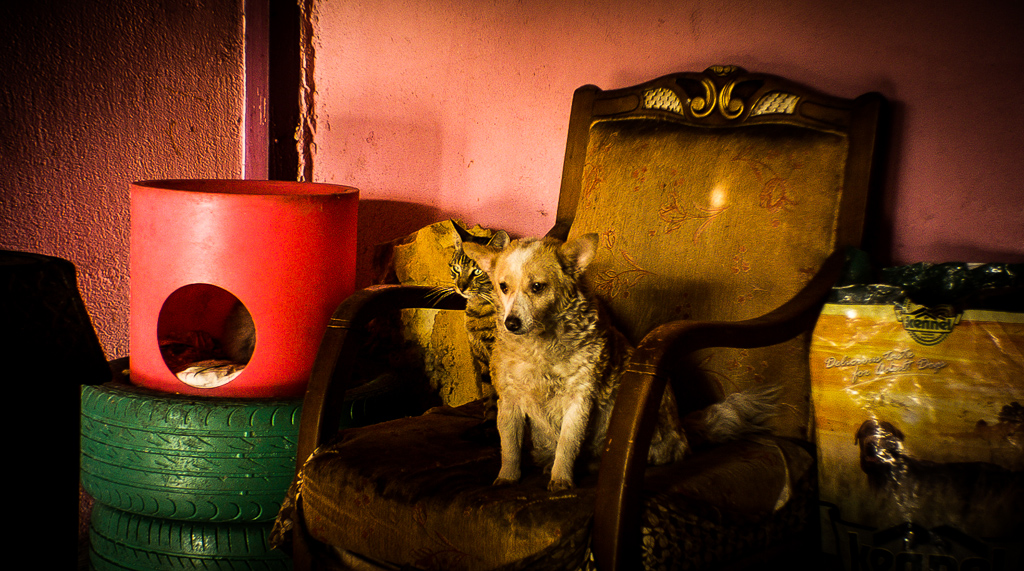
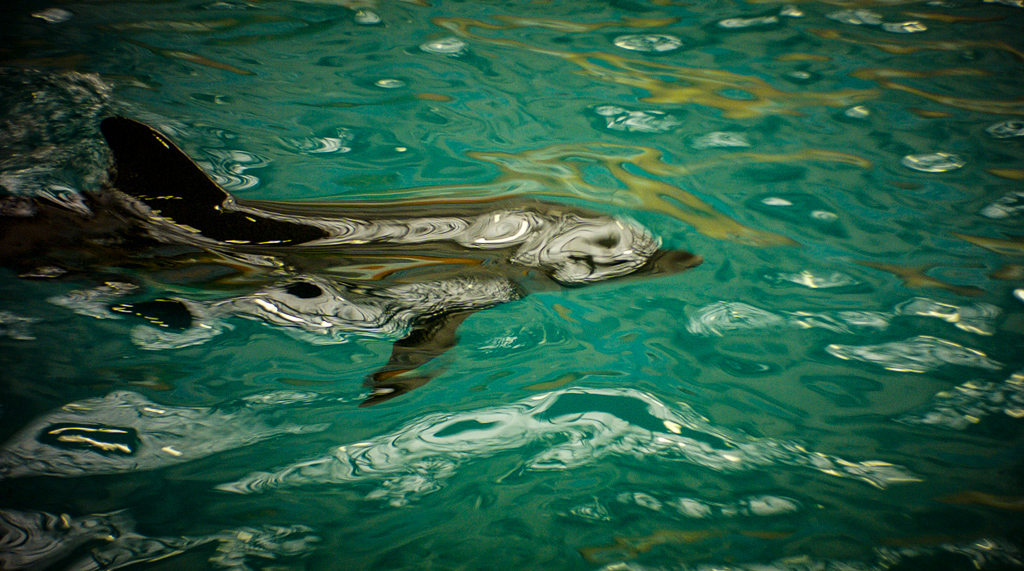
THE FISH KNOWS EVERYTHING tells a modern fairy tale set in Istanbul.
Funded by:
Kulturakademie Tarabya (German Federal Government),
Gerd Ruge Fund, NRW / “Haus am See” Fund (Medienboard Berlin-Brandenburg, Lupa Film, Antonius Stiftung),

THE GHOSTS THAT SUMMONED ME
Documentary 102 min | 2014 – 2017
IN CINEMAS 09.11.2017
Author, Director Diana Naecke
Cinematographer Diana Naecke /Kathrin Krottenthaler
Montage Andre Nier
Sound Magnus Pflüger, Robert Fuhrmann
Production: Indifilm Berlin (Sonia Otto, Arek Gielnik
SYNOPSIS
Engin, a street kid from Berlin, has a mission. For the first time, he wants to return to his Turkish home village, Yildirim — the Lightning. His parents brought him from Berlin to Turkey immediately after his birth and left him with his grandparents. He grows up believing that his grandmother and grandfather are his parents. When he is forcibly taken back, he is ten years old. He speaks no German and is firmly convinced that he has been sold to strangers in Germany. He hides for days in the vineyards before he is found. A cardboard sign is hung around his neck, bearing his name and his destination: Berlin-Neukölln. He wears no shoes on the plane.
Half a lifetime passes before Engin returns to Yildirim. But on his journey — by car, since the aeroplane has, after all, stolen his soul — new obstacles keep emerging. The journey to Turkey thus turns into a dense portrait of an almost unbridgeable inner fracture.
funded by FFA, BKM, Kuratorium Junger Deutscher Film
Festivals, Awards: MARFICI – Mar del Plata, Max Ophüls Filmpreis, Hamburger Dokumentarfilmwoche, Neisse Film Festival, Bremer Dokumentarfilmpreis, 25p*cine-Stipendium

MY FREEDOM, YOUR FREEDOM
Documentary | 84 Minuten | 2007 – 2011
In Cinemas 05. 2013
SYNOPSIS
Kübra, Berlin’s only female high-risk repeat offender, is about to be released from the women’s prison in Berlin-Lichtenberg after a total of four years and ten months in custody.
Salema lost her parents in the Ethiopian civil war and has never truly arrived in Germany. Since the age of seventeen, she has been in and out of prison; now she is expected to find her place outside, in supported accommodation.
Matthias Blümel, director of the women’s prison, dislikes the word institution and would, if he could, shut the place down for a few days.